AD 2021: Economic Recovery and the Great Reset

November 15, 2021

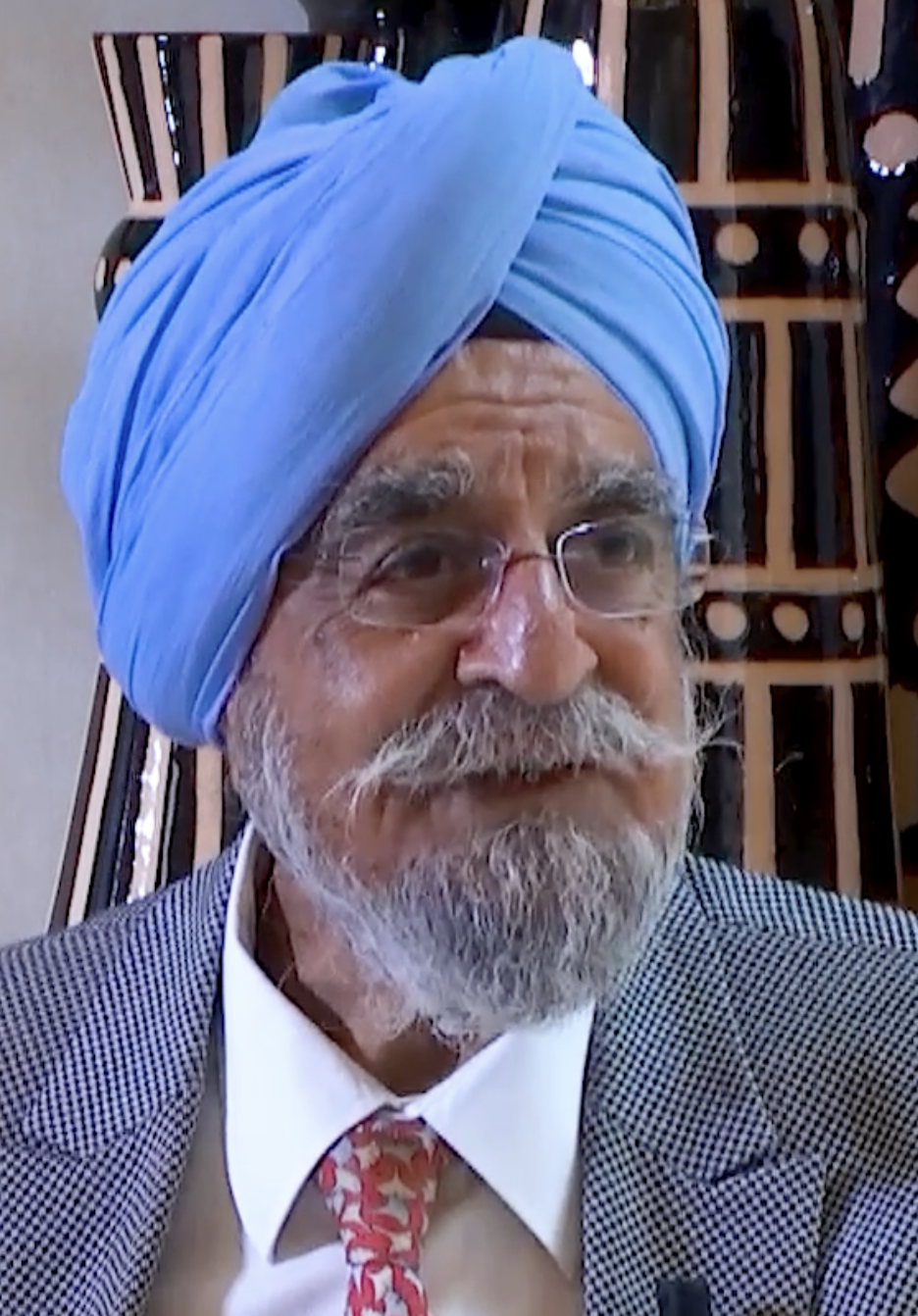
The Covid-19 pandemic has plunged the world into a health, social and economic crisis of exceptional magnitude. In economic terms, the restrictions established to contain the spread of the virus have resulted in a sudden stop to entire sectors of activity and major disruptions to supply chains. Consequently, the global economy experienced its worst recession since World War II in 2020, with a 3.3% contraction in real GDP, a sharp decline in trade and direct investment flows, in addition to massive job losses. As a result, the downward trend in poverty that began in the 1980s has been reversed and more than 100 million additional people have fallen back into extreme poverty. In this context, a number of questions seem relevant: What are the levers to act on for a quick and strong recovery for the world economy? What place for human development in the post-Covid development strategies? How to conciliate between ambitious development objectives and budget sustainability? Moderator: Otaviano Canuto, Senior Fellow, Policy Center for the New South Speakers: - Maria Eugenia Brizuela de Avila, Former Minister of Foreign Affairs, El Salvador - Harinder Kohli, President and CEO, Centennial Group, USA - Frannie Leautier, Chairperson, Co-Founding Partner, Mkoba Private Equity Fund, Tanzania
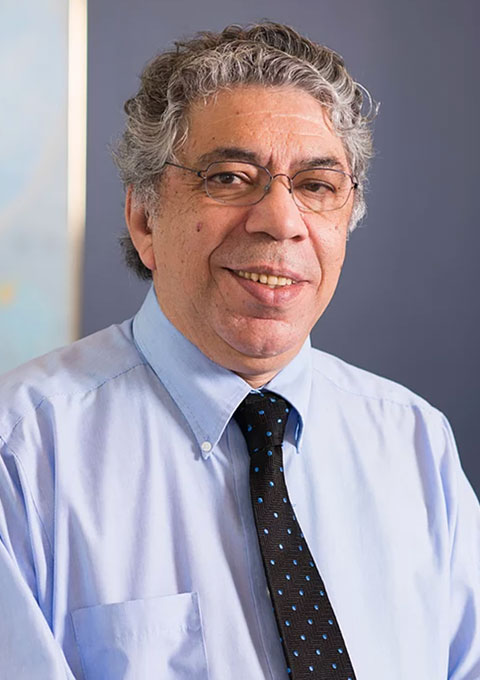
Speakers
Otaviano Canuto
Senior Fellow
Senior Fellow at the Policy Center for the New South, Affiliate Professor at Mohammed VI Polytechnic University and Non-Resident Senior Fellow at Brookings Institute. Former Vice President and Executive Director at the World Bank, Executive Director at the International Monetary Fund (IMF) and Vice President at the Inter-American Development Bank. ...
Harinder Kohli
Founding Director and Chief Executive, Emerging Markets Forum (EMF)
...

RELATED CONTENT

  • Authors
    December 27, 2022
    En Afrique, le niveau de la vulnérabilité économique des pays reste élevé et représente un obstacle à la croissance économique et à la réduction de la pauvreté. Ce constat nous mène à étudier cette problématique pour un échantillon des pays africains les plus exposés aux chocs économiques. En effet, ce travail a pour objectif principal d’identifier les effets des composantes des deux indicateurs de vulnérabilité et de résilience économique sur le niveau de reve ...
  • Authors
    Clément Therme
    December 23, 2022
    La présence iranienne en Afrique est une question à la fois idéologique, économique et sécuritaire. La politique africaine de l’Iran a connu un nouvel élan avec la Révolution de 1979. Dans le cas de la politique africaine, on peut qualifier ce tiers-mondisme militant d’arrogant. Eneffet, dans l’imaginaire des élites politiques révolutionnaires khomeynistes, les relations avec les pays du Sud global sont à comprendre non seulement dans le cadre d’un anti-impérialisme de fa ...
  • Authors
    Ademir A. Rocha
    Vinicius A. Vale
    December 22, 2022
    There is a long tradition in transportation planning research in quantifying remoteness in the context of accessibility indicators. Considering an existing system’s network structure and its components’ performance, it is possible to assess the socio-economic impacts of changes in the physical characteristics of specific links that affect critical locations. Nonetheless, the connection between changes in accessibility and their socio-economic consequences frequently relies on using ...
  • December 14, 2022
    Inflation is back on the agenda. The rise of inflation occurred in the aftermath of the global activity rebound out of the COVID-19 when global value chains were severely disrupted and have been contending to recover since then. The Russia-Ukraine conflict added new strains over the glo...
  • Authors
    December 9, 2022
    The global wave of democratic retrenchment has not spared North Africa as seen in the cases of Tunisia and Sudan, where democratic transitions have stalled or regressed into autocracy. How do to explain Tunisia and Sudan’s troubled transitions from authoritarian rule? Both states are attempting to transition from single-party authoritarianism. In both cases, economic crises exacerbated by COVID, the Russian-Ukraine war, and involvement by external actors stymied the fragile transiti ...
  • December 8, 2022
    Cette étude concerne 33 États du continent africain où, en 2022, le % des détenteurs de cryptomonnaies de chaque pays, par rapport à sa population est au minimum de 1 %. À eux seuls, trois parmi ce groupe de pays, que sont l’Afrique du Sud, le Kenya et le Nigeria, totalisent plus de 333 millions de personnes, avec des pourcentages de leurs détenteurs de cryptomonnaies proches compris entre plus de 12 % en Afrique du Sud, plus de 11 % au Kenya et plus de 10 % au Nigeria. À l' ...