
بعد تفشي فيروس كورونا المستجد في جل مناطق العالم، اختلفت طرق التصدي له من دولة إلى أخرى. حيث اعتمدت الدول قرارات متفاوتة من حيث الصرامة في ظل الحد من تفشي هذا الوباء. وفي نفس الصدد، اتُخذت عدة قرارات لدعم المواطنين لكي يتاح لهم المرور من هذه الأزمة بأقل الأضرار الممكنة في مختلف القطاعات والمجالات. غير أن هذه الأزمـة قد شـكلت نقطـة بدايـة وسـبب بـروز اضطرابـات اقتصاديـة واجتماعيـة عميقـة فـي المغـرب وفـي العالـم بأسـره، مـما أدى إلى إبراز أهمية سؤال الدولة في الظرفية الحالية باعتبارها الهيئـة الوحيـدة القـادرة علـى حمايـة السـكان ومواجهـة تأثيـرات الأزمـة السـلبية. الجدير بالملاحظة أن الاقتصاد الوطني كباقي اقتصادات العالم يواجه هذه الأزمة غير المسبوقة بسبب تداعيات انتشار الفيروس، ما يؤدي إلى إعادة النظر في الميزانية العامة للنظام المالي كمحور تنتظم في إطاره وتسير وفق مقتضياته مختلف أنشطة المؤسسات والمرافق الحكومية. فكيف سيتم التعامل مع ميزانية الدولة لسنة 2021 لاسيما وأن المالية العامة لهذه السنة تتراجع بسبب أحداث وتداعيات أزمة كورونا على المدى المتوسط إلى الطويل؟ أي توجه للسياسة المالية للسنة المقبلة في حين أن صناع القرار يقفون أمام خيارين: استعادة أرصدة الموازنة للميزانية العامة أم دعم الانتعاش الاقتصادي من خلال سياسة توسعية. ما هو المسار الأكثر احتمالا؟ وفي نفس السياق، ونظرا لتداعيات الأزمة، خفضت وكالة "فيتش" الدولية للتصنيف الائتماني من توقعاتها بخصوص المغرب. فكيف ينبغي أن يؤثر هذا الوضع الجديد على تصميم ميزانية 2021؟ المسيرة: إيمان لهريش، مسؤولة عن البرامج بمركز السياسات من أجل الجنوب الجديد المتدخلون: عبد الله سرحان، خبير في المالية العامة وكاتب عام سابق للمجلس الأعلى للحسابات ثريا لحرش، مستشارة برلمانية ومنسقة المجموعة الكونفدرالية الديمقراطية للشغل
Speakers


RELATED CONTENT
-
 March 24, 2025The return of President Donald Trump could significantly impact macroeconomic policy in Africa. The effects may vary across the continent. Nations that remain neutral towards U.S. influence are likely to benefit, while those aligned with the U.S.'s rivals or lacking immediate economic advantages may be deprioritized in U.S. foreign policy. In this article, we examine the channels through which U.S. policies and the change in political discourse could affect macroeconomic policies in ...
-
 March 21, 2025This Chapter was originally published on springer.comSo, this session really is about what's happened to global trade in the last couple of decades, of course, really since the global financial crisis, trade dependency has levelled off, peaking at around 60% in 2008, 2009. ...
-
 March 21, 2025MENA faces a severe water crisis, with 12 of the world’s 17 most water-stressed countries. Climate change, population growth, inefficient water management, and weak governance drive this challenge. Water production, treatment, and distribution require high energy inputs, while energy generation depends on water for cooling and refining. The region must integrate renewable energy, especially solar power, into water solutions like desalination. Inaction could shrink GDP by up to 14% ...
-
 March 20, 2025Le marché du travail marocain traverse des défis structurels majeurs, avec un taux de participation relativement faible (43,5 %) et encore plus marqué chez les femmes, dont la participation reste inférieure à 20 %. Le chômage, quant à lui, est élevé, particulièrement parmi les jeunes diplômés, atteignant 30 %, et une grande partie de l'emploi urbain se trouve dans le secteur informel, représentant entre 20 et 40 % des emplois. Ce marché est également marqué par des d ...
-
 March 20, 2025This paper (see pages: 152-164), included in the report 'The Reckoning Regression or Renaissance?' was originally published on orfonline.org Calls for reforms of the International Financial Architecture (IFA) are foregrounded by the growing financing needs of developing countries, driven by mounting climate-related challenges; conflict and violence; rising numbers of internally displaced persons (IDPs); and macroeconomic imbalances, including crippling debt service and ...
-
 March 18, 2025كشفت المندوبية السامية للتخطيط في نتائج البحث الوطني الأخير حول معيشة الأسر المغربية معطيات تثير النقاش، أبرزها وضع الطبقة الوسطى التي تُعد ركيزة أساسية للاستقرار الاقتصادي والاجتماعي ومحركًا رئيسيًا للنمو. لكن هذه الطبقة تواجه اليوم تحديات غير مسبوقة، وأهمها تصاعد غلاء المعيشة. فما هو ...
-
 March 14, 2025The traditional model of Official Development Assistance (ODA) has not only entrenched financial dependence but also served as a tool for geopolitical influence, often prioritizing donor interests over genuine economic self-sufficiency in developing nations. The 2015 Sustainable Development Goals (SDGs) envisioned a shift towards private investment, but this strategy has largely failed. Capital flight, rising debt burdens, and systemic financial asymmetries have ensured that investm ...
-
 March 14, 2025This paper was originaly published on erf.org.eg Youth's life paths have become increasingly challenging, especially for those classified as "Not in Education, Employment, or Training" (NEET), who comprise 31.2% of North Africa's youth population. The region faces high youth unemployment rates, with 22.3% in 2023, rising slightly to 22.5% in 2024, and projected to return to 22.3% in 2025 (ILO, 2024). Notably, North African youth not only exhibit the highest desire to m ...
-
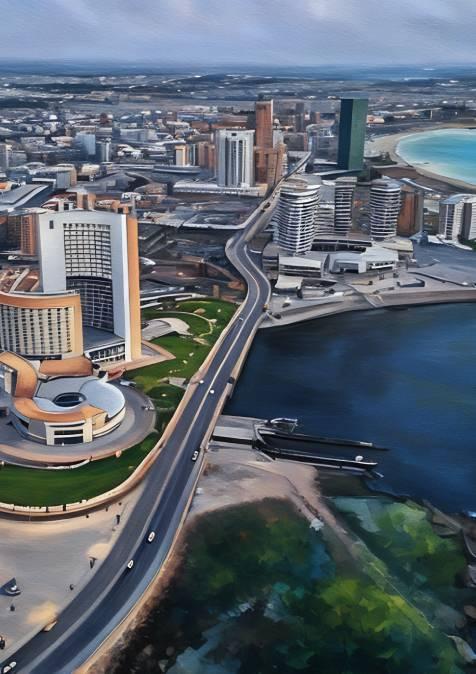 March 13, 2025Libya faces a paradox: it has a bloated public sector employing millions, yet a crippling unemployment crisis, especially among young people. According to the Libyan Audit Bureau’s 2023 report[1], over two million people work for the government, a figure that excludes state-owned enterprises such as oil companies, banks, and utilities companies. With a total labor force of 2.5 million[2], out of every ten Libyan adults, eight are employed by the government. This massive public workf ...
-
 March 7, 2025On average, Moroccan women spend almost five hours a day on domestic tasks (cooking, housework, shopping, childcare, etc.). They account for over 90% of the total time spent on domestic tasks by all men and women. This unpaid work represents indispensable services that contribute to the material well-being of individuals and households, without appearing in national production as measured by gross domestic product (GDP). Hence the need to measure this domestic production in order to ...

