Publications /
Book / Report

Back
Tomorrow’s Voices: Artificial Intelligence, Communication, and the New Global Order
Authors
Roberto Razeto
Michael Stopford
February 10, 2025

Tomorrow’s Voices: Artificial Intelligence, Communication, and the New Global Order" by Roberto Razeto and Michael Stopford is an eye-opening exploration of how communication—and the rise of artificial intelligence—are reshaping the world. In an era defined by climate crises, pandemics, and spiralling geopolitical tensions, the book reveals how language, diplomacy, and AI-driven technology can bridge divides and drive global solutions. In fact today’s daunting global challenges can only be met through an effective use of communications.

From the power of storytelling to the ethical challenges of AI, Razeto and Stopford present real-world examples of communication's transformative impact. They show how AI, when used responsibly, can amplify voices, foster transparency, and combat misinformation. Yet, they also warn of the dangers: how unchecked technology might mislead, manipulate, or deepen divides.

Through vivid case studies, the authors illustrate the role of communication in fostering a more resilient, interconnected world. "Tomorrow’s Voices" invites readers to imagine a future where communication not only informs but inspires collective action, guided by ethics and innovation. This is more than a treatise—it’s a call to shape the digital age with clarity, empathy, and purpose.

  • December 16, 2022
      The rise of inequality is becoming one of the biggest concerns for developed, developing and emerging economies. Nowadays, more than ever, it is becoming an extremely important issue facing many economies around the world, not only from an equity point of view but also from an e...
  • December 16, 2022
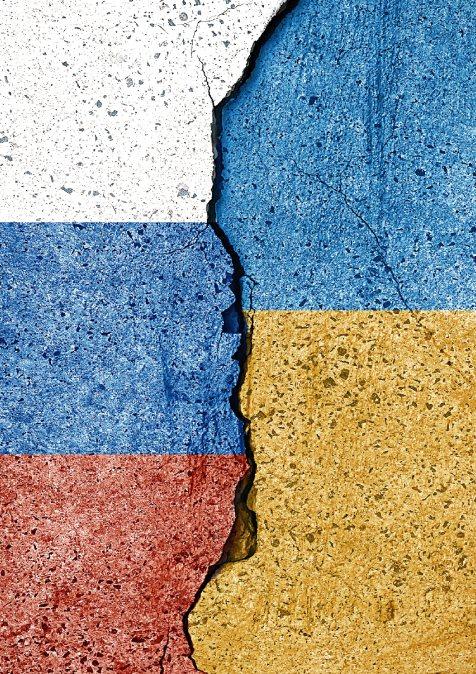
    In this video recorded during the Atlantic Dialogues, our Columnist Mr. Helmut Sorge interviews Ms. Ana Palacio, Spain's Former Minister of Foreign Affairs on the position of Spain and Europe towards the War in Ukraine, the interview also tackles different questions regarding Energy, se...
  • December 16, 2022
    Dans cette interview tournée au cours des Atlantic Dialogues, Monsieur Helmut Sorge interroge le Ministre Hubert Védrine sur ses impressions sur un monde aussi troublé qu’aujourd’hui suite à la guerre Russo-Ukrainienne. Monsieur Védrine nous fait part de son analyse ainsi que son étude ...
  • December 16, 2022
    In this video recorded during the Atlantic Dialogues, our Columnist Mr. Helmut Sorge interviews Mr. Alessandro Minuto-Rizzo, President of the NATO Defense College Foundation in Rome on the NATO’s reactions amidst the War in Ukraine, Mr Minuto answers questions on how countries of the Na...
  • Authors
    Ahmed Rachid El-Khattabi
    Alessandro Minuto-Rizzo
    Amaye Sy
    Hamza Rkha Chaham
    Ian O. Lesser
    Jorge Castañeda
    Moubarack Lo
    Umberto Profazio
    December 14, 2022
    This ninth edition of “Atlantic Currents” appears in an international context marked predominantly by a ten month-war between Russia and Nato members that began February 2022. The war is affecting not only the European and American member States directly and actively involved in an unprecedented manner, but more importantly the countries of the global South that have suffered collateral damage. Indeed, the nations of the world were barely out of the most painful and costly phase o ...
  • Authors
    December 9, 2022
    The global wave of democratic retrenchment has not spared North Africa as seen in the cases of Tunisia and Sudan, where democratic transitions have stalled or regressed into autocracy. How do to explain Tunisia and Sudan’s troubled transitions from authoritarian rule? Both states are attempting to transition from single-party authoritarianism. In both cases, economic crises exacerbated by COVID, the Russian-Ukraine war, and involvement by external actors stymied the fragile transiti ...
  • Authors
    Amr Abdelrahim
    December 9, 2022
    Depuis quelques années, l’activisme accru de la politique étrangère égyptienne – dans son voisinage africain, méditerranéen et moyen- oriental – donne l’impression du retour d’une puissance régionale dont l’influence s’est pourtant essoufflée à la fin des années 1960. L’avènement du président Abdel Fattah Al-Sissi marque une rupture avec la « diplomatie réactive » de l’ère Moubarak. Cependant, le pays ne dispose simplement plus de ressources militaires, économiques et ...