Session 1 : Les nouveaux paradigmes de l’ordre mondial, entre mondialisation et protectionnisme

October 27, 2020

9ème édition des Dialogues Stratégiques : La démondialisation Depuis 2016, Le Policy Center for the New South et HEC Center for Geopolitics organisent chaque année deux éditions des « Dialogues Stratégiques ». Cette plateforme d’analyse et d’échange réunit des experts, des chercheurs provenant de différents think-tanks et du monde académique, des praticiens, ainsi que des décideurs politiques pour débattre des grandes questions géopolitiques et sécuritaires à l’échelle internationale, ainsi que des problématiques d’importance commune à la fois pour l’Europe et l’Afrique. Le cycle de séminaires a pour vocation d’offrir un environnement orienté vers les politiques publiques « policy-oriented », où les panélistes se réunissent dans un cadre interactif et constructif pour confronter et enrichir leurs analyses respectives. Cette collaboration est issue du partenariat tissé entre les deux centres de réflexion, en vue de favoriser le dialogue scientifique et multidisciplinaire et de contribuer à la production d’analyses pertinentes sur des problématiques politiques et majeures.
Speakers
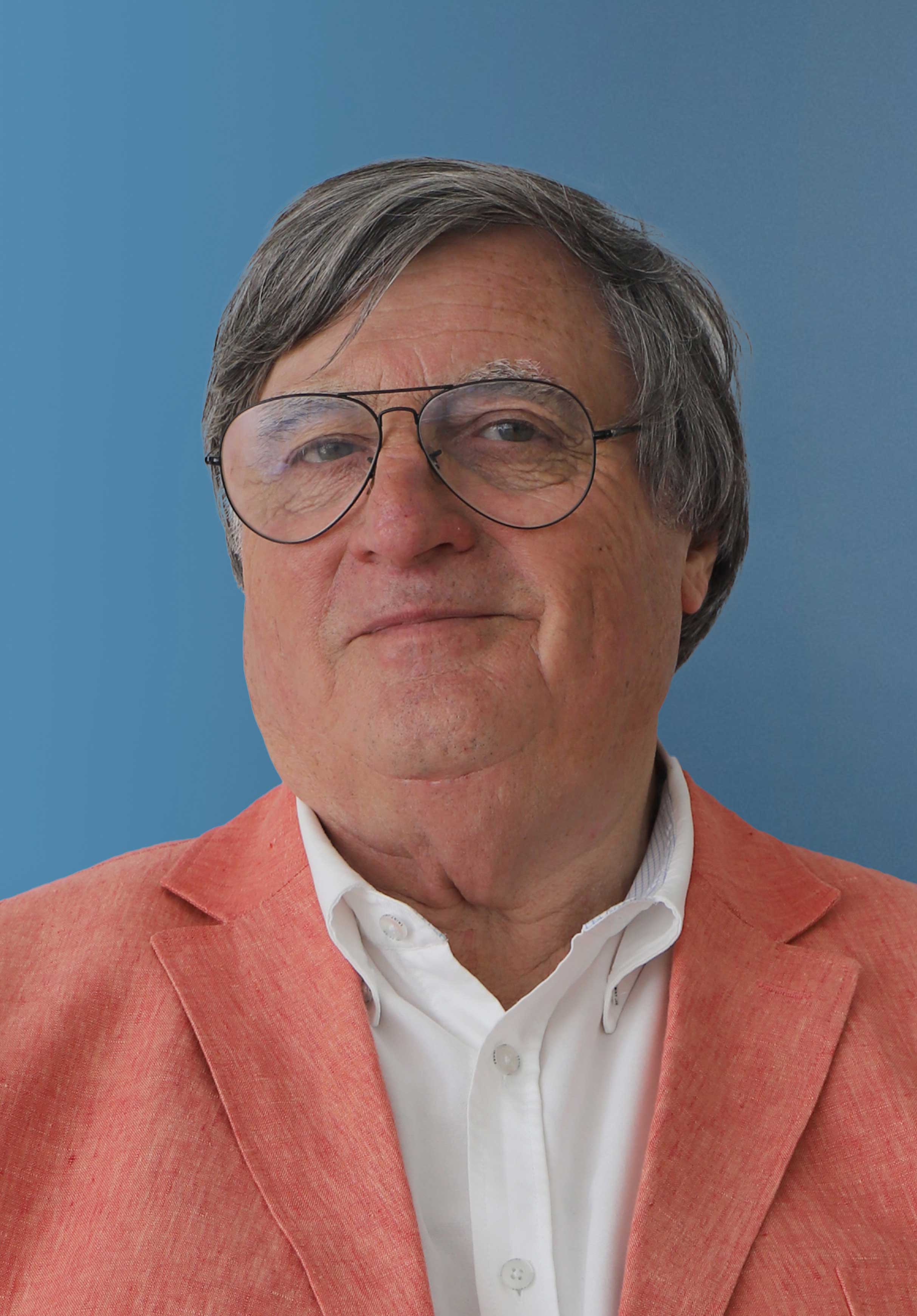
Pascal Chaigneau
Directeur du Centre HEC de Géopolitique
Professeur des Universités (classe exceptionnelle), Pascal Chaigneau est responsable du département de science politique de l’Université Paris V Sorbonne Paris Cité. A l’Ecole HEC, il est directeur scientifique du double diplôme HEC-Sciences Po, directeur de la Prep ENA et responsable du programme Business environment de l’executive MBA. Directeur de séminaire à l’Ecole de Guerre, il est expert relations internationales de la Marine Nationale et Directeur de la Chaire de Géopolitique de la Gendarmerie Nationale. Il a créé le Centre d’Etudes Diplomatiques et Stratégiques doté du statut consultatif auprès des Nations Unies. Avocat spécialiste en droit international, il est conseiller du commerce extérieur de la France et a été pendant dix ans administrateur de Radio France Inter ...
François Baroin
Ancien Ministre de l'économie et des finances, Centre HEC de Géopolitique
...
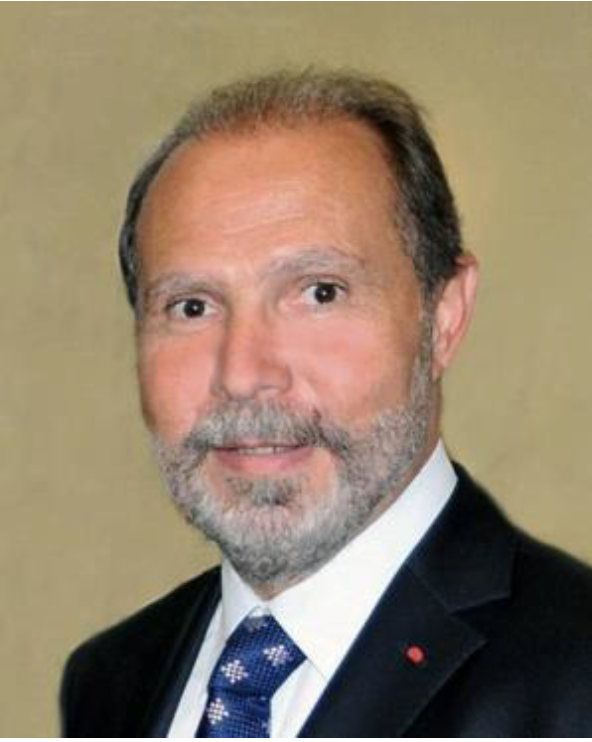
Henri-Louis Védie
Senior Fellow
Henri Louis Vedie is a Senior Fellow at Policy Center for the New South. Holding a doctorate in economic sciences from Dauphine University Paris, and a graduate in Law from Université Paris I, Henri-Louis Vedie is also Professor Emeritus at HEC Paris, where he teaches in the Paris campus as well as Moscow, Varsovia, Belgrade, Abu Dhabi, Rabat, and more.  Author of sixteen books, of which the last few concerned Morocco and sovereign funds, hundreds of articles (of which some where translated in English, French, Arabic, Polish and Russian), Henri-Louis Vedie was also a consultant for the European Council and a member of the Economic, Social and Environmental board in Paris. ...

RELATED CONTENT

  • Authors
    Amine Ghoulidi
    February 5, 2026
    This Paper was originally published on orient-online.com  The Western Mediterranean’s exposure to the Sahel is usually framed in terms of security spillovers and crisis management. This paper argues that this framing misreads how Sahelian access conditions now shape Mediterranean integration. Morocco’s Atlantic Initiative is a state-led corridor strategy combining Atlantic port infrastructure, inland transit routes, and energy systems to connect landlocked Sahelian economi ...
  • February 4, 2026
    This article examines the quiet but profound implications of the erosion of U.S.-led hegemony for small and vulnerable states of the New South. While the post-1945 international order was never egalitarian, it offered predictability: power was organized through law, and sovereignty for weaker states rested less on justice than on procedural stability. Davos 2026 marked a turning point in the public acknowledgment of that system’s unraveling. Statements by leading Western figures rev ...
  • Authors
    February 3, 2026
    From the use of tariffs as a foreign policy instrument, to the weaponization of critical resources, and from targeted sanctions to attacks on critical infrastructure, economic security is at the forefront of international debates. The aggressive use of economic instruments for strategic purposes has become an explicit feature of international affairs, in a way not seen since the interwar period[1]. Beyond the weaponization of resources of all kinds, an increasing ‘monetization’ is u ...
  • January 30, 2026
    En 2019, Donald Trump a proposé d’acheter le Groenland, déclenchant un refus catégorique du Danemark et une tension diplomatique transatlantique. Cette initiative reflétait l’intérêt stratégique et économique des États-Unis pour l’Arctique et ses ressources. L’épisode a mis en lumière l...
  • Authors
    January 30, 2026
    The 2026 World Economic Forum (WEF) Annual Meeting took place in an environment of elevated economic uncertainty and structural risk repricing. According to the Global Risks Report (GRR) 2026, geoeconomic confrontation and economic downturn rank among the most severe near-term risks, while inflation-related risks and economic volatility have risen sharply in perceived severity compared with the previous edition. Notably, 50% of respondents to the Global Risks Perception Survey ...
  • January 29, 2026
    Le Mali, le Burkina Faso et le Niger, réunis au sein de l’Alliance des États du Sahel (AES), affirment l’ambition de bâtir une souveraineté nationale qui leur permettrait de s’émanciper de la domination et des influences extérieures et de se doter d’une liberté d’action dans les choix de développement politique et économique. Cependant, cette ambition se heurte à de nombreuses contraintes économiques et sécuritaires.La souveraineté ne peut se construire sans une base économique soli ...
  • January 23, 2026
    The post-1945 international order, an architecture born of war-weariness and colonial twilight, is now a majestic but empty shell. Its foundational promise—a universal system of rules administered impartially—has been hollowed out by decades of selective enforcement, instrumentalized law, and a chasm between the rhetorical ideals of its custodians and their geopolitical practice. This is not a temporary dysfunction, but a systemic failure of legitimacy. From the invasion of Iraq und ...
  • Authors
    January 21, 2026
    In response to developing countries’ dissatisfaction with the New Collective Quantified Goal (NCQG) of $300 billion, which was decided at the Twenty-Ninth Conference Of the Parties (COP29) to the United Nations Framework Convention on Climate Change, in 2024 in Baku, Azerbaijan, the COP29 and COP30 presidencies promised to develop a roadmap to achieve $1.3 trillion in external climate finance that developing countries need, and to present it at COP30 in Belém, Brazil[1]. The two pre ...
  • January 21, 2026
    The Policy Center for the New South hosted a seminar on January 16, 2026, titled “Crisis or Opportunity? Multilateralism in a Polycentric World.”The discussion addressed the growing strain on global cooperation amid overlapping financial, climate, security, and technological shocks, occ...