Africafé: La régulation de l’intelligence artificielle en Afrique

February 22, 2024

La révolution intelligence artificielle submerge l’Afrique, en proie à d’importantes transitions. Reposant sur un processus d’imitation de l’intelligence humaine qui se base sur la création et l’application d’algorithmes, l’intelligence artificielle qui constitue le pilier de la quatrième révolution industrielle, est en mesure d’assoir l’émergence de l’Afrique, tout en accélérant la transformation de nombreux secteurs dont dépendra le futur du continent, notamment l’économie, l’agriculture, la santé, l’éducation et les services financiers. Cependant, bien que l’intelligence artificielle prend une place de plus en plus importante dans l’économie et les sociétés africaines, ses applications diverses, balbutiantes ou bien installées dans des secteurs d’activités variés, rendent sa régulation difficile au regard des enjeux industriels et éthiques qui l’accompagnent. La régulation de l’intelligence artificielle en Afrique qui consiste à encadrer le développement des technologies de l’IA, tout en favorisant l’innovation technologique, est dès lors indispensable pour éviter toute forme de dérive juridique. Si les Etats-Unis et l’UE ont un temps d’avance dans le domaine de la régulation de l’IA l’intelligence artificielle, l’Afrique compte bien rattraper son retard 

Speakers
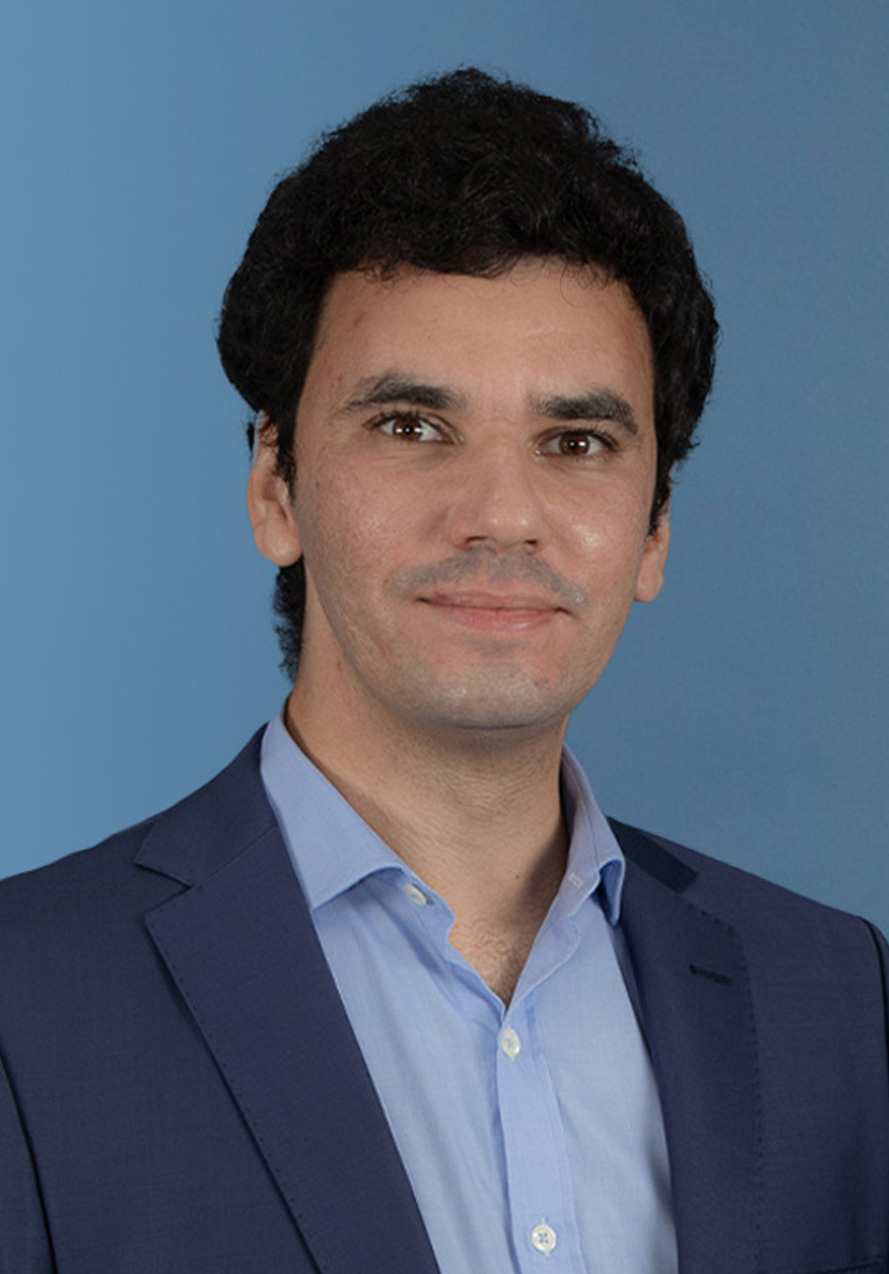
Abdessalam Saad Jaldi
Senior International Relations Specialist
Abdessalam Saad Jaldi is a Senior International Relations Specialist at the Policy Center for the New South (PCNS).He is also an Affiliate Professor of Digital Law and Emerging Technologies at University Mohammed VI Polytechnic (UM6P)At the PCNS, Jaldi conducts research encompassing the Maghreb, the European Union (EU), India, and the evolving landscape of international law, with a particular focus on artificial intelligence (AI) and maritime lawHe notably represented the PCNS as a member of the T20 Brasil task force 6 (TF 06) on “Strengthening Multilateralism and Global Governance”.Abdessalam Saad Jaldi holds a PhD in Law from the University of Strasbourg, as well as two master’s degrees: One in Public and Private International Law from the University of Strasbourg, and anoth ...

RELATED CONTENT

  • Authors
    Nchimunya Hamukoma
    April 9, 2019
    The author is an alumnus of the 2018 Atlantic Dialogues Emerging Leaders program On a Saturday evening in March at an upscale gallery in Johannesburg’s CBD, the lights went out.  A child in the crowd yelped in shock, but most of the adults let out a gentle sigh of resignation. An attendant came by soon after to assure that it wasn’t load shedding and that the power would be reconnected shortly, but we had become inured to the darkness and the idea that electricity wasn’t somet ...
  • Authors
    Under the direction of
    Philippe Chalmin
    April 9, 2019
    Commodity prices were once again marked by significant volatility in 2017 and 2018. While there are many economic factors to explain this, politics were also present—trade tensions between China and the United States and, more generally, a rise in uncertainties—weighing upon the global macroeconomic outlook and the ‘dynamism of the markets’. Africa, which has countries with strong growth rates, has, however, been able to show solid economic performance, and this trajectory is not li ...
  • Authors
    Hamza Rkha Chaham
    April 3, 2019
    The author is an alumnus of the 2018 Atlantic Dialogues Emerging Leaders program Arable land per capita availability has been steadily decreasing over the last decades, from 0.5 hectare per capita in 1945 to 0.2 hectares per capita in 2016. Worldwide farmers have been, more or less, addressing the intensification challenge by incorporating new technologies, products, and techniques into their farming systems. The intensification challenge also implied a consolidation ...
  • Authors
    March 26, 2019
    The opening of the border between Ethiopia and Eritrea symbolized an important phase in the newfound relations between the two. Since their rapprochement in June 2018, events have occurred at a frenzied pace, yet much was still in the political arena and removed from demonstrating tangible benefits to average citizens. By opening the border, the leaders of Ethiopia and Eritrea changed that. Yet the border opening also reveals an insight into a previously isolated and largely closed ...
  • March 20, 2019
    Morocco’s return to its “institutional family" by joining the African Union (AU) two years ago heralds renewed hope for positive progress in terms of the Organization's stance on the Sahara issue. This comeback, however, also raises fears and apprehensions over possible complications due to an intrusion by the continental organization into an exclusively UN process, geared since 2000 towards seeking a realistic and mutually acceptable political resolution. ...