
Why Think tanks Matter in Africa 2020

January 30, 2020

The Policy Center for the New South hosted a "Why Think Tanks Matter in Africa", in the framework of the annual Why Think Tanks Matter Forum, organized by the Think Tanks and Civil Societies Program (TTCSP). The Why Think Tanks Matter events serve not only to demonstrate the value and importance of think tanks around the world but also to highlight their instrumental role for determining in an early stage the new challenges that countries may face in various political and economic contexts. In this edition, speakers discussed the critical work think tanks perform in Africa according to their expertise.

Speakers
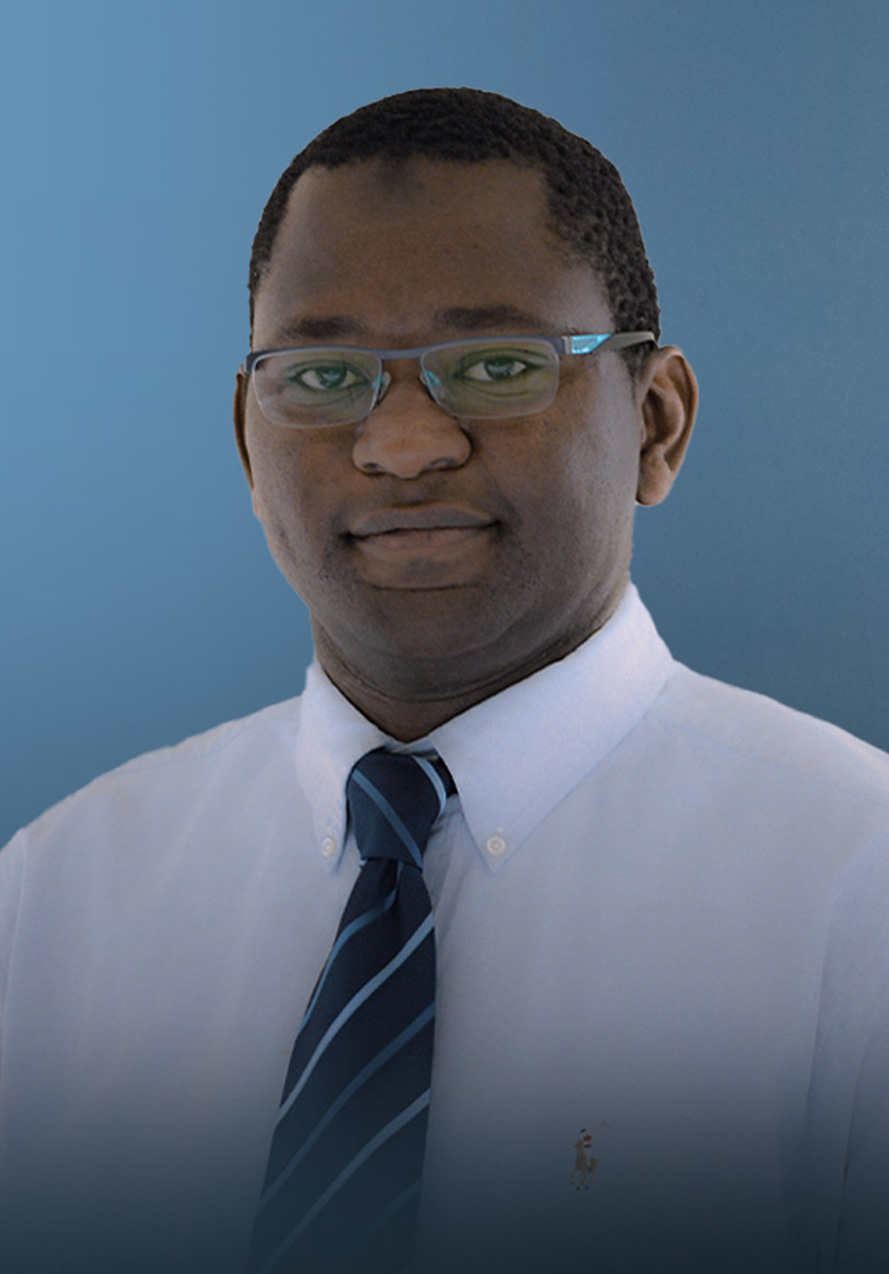
Mouhamadou Moustapha Ly
Economist, African Department of the International Monetary Fund (IMF)
Currently economist within the African Department of the International Monetary Fund in Washington DC, where he works on East African economies on various macroeconomic policy subjects and surveillance, he is also an affiliate professor of economics at Mohamed-6 Polytechnic university in Rabat (Morocco). Prior to that, Mouhamadou was senior economist at the Policy Center for the New South in Rabat (Morocco) working on development related issues and regional integration in the African continent. Mouhamadou also spent several years as assistant professor at Gaston Berger university in Saint-Louis (Senegal) and a lecturer at Auvergne university (France) and City university (London). He also worked as research fellow at the African Center for Statistics in the United Nations Econo ...
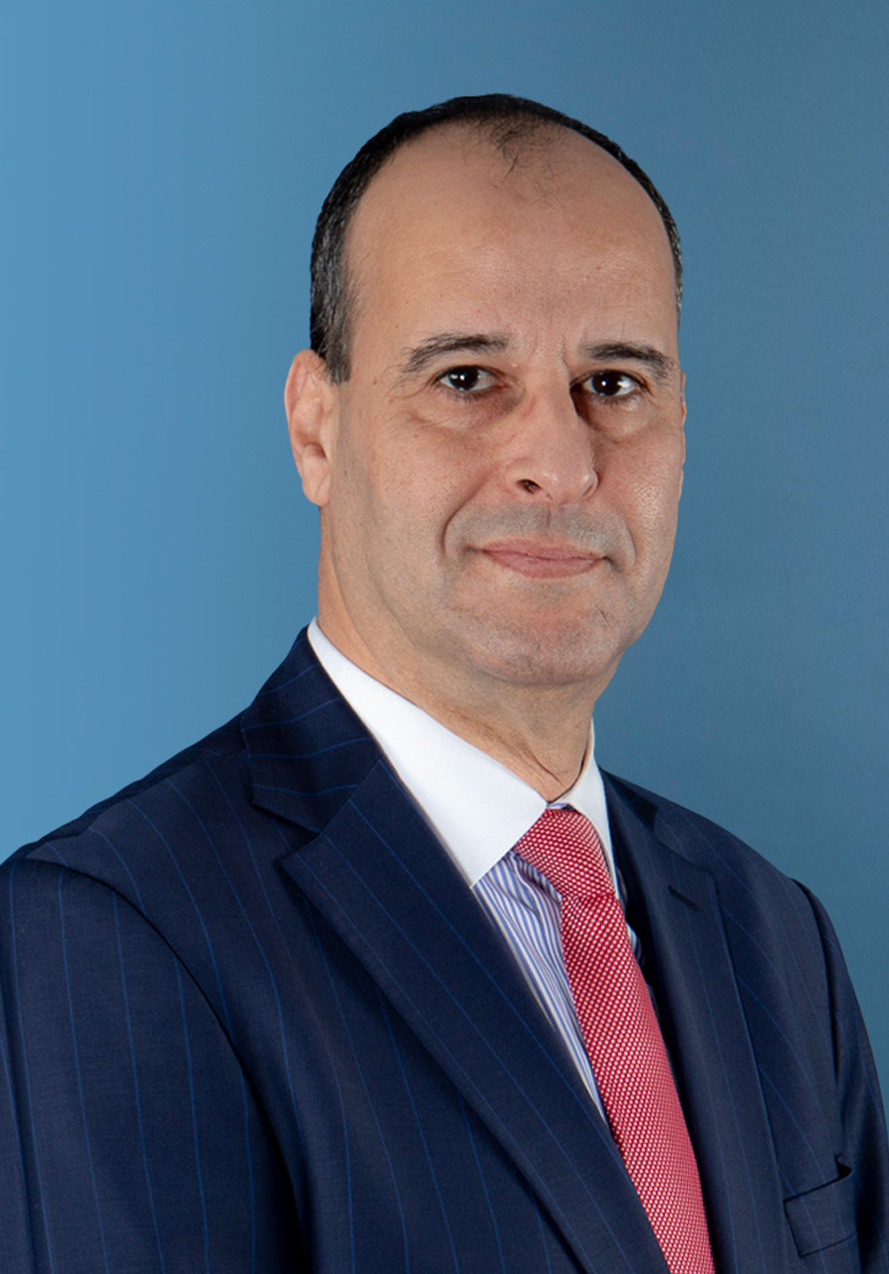
Khalid Chegraoui
Senior Fellow
Khalid Chegraoui is Senior Fellow at the Policy Center for the New South and Vice Dean of Political Sciences and International Relations at the Faculty of Governance, Economic and Social Sciences of the Mohammed VI University.  He began his teaching and research career in 1992 as a Research Assistant Professor at Sidi Mohammed Ben Abdallah University in Fez after earning his first doctorate in African Studies from the Mohammed V University in Rabat focusing on West Sub-Saharan Africa. He also earned a Doctorate of State in African Studies from the same University in 2002, where he focused on Contemporary West Africa, in 2003 he became Professor of History and Political Anthropology at the Institute of African Studies, Mohammed V University, consultant on African and Midd ...
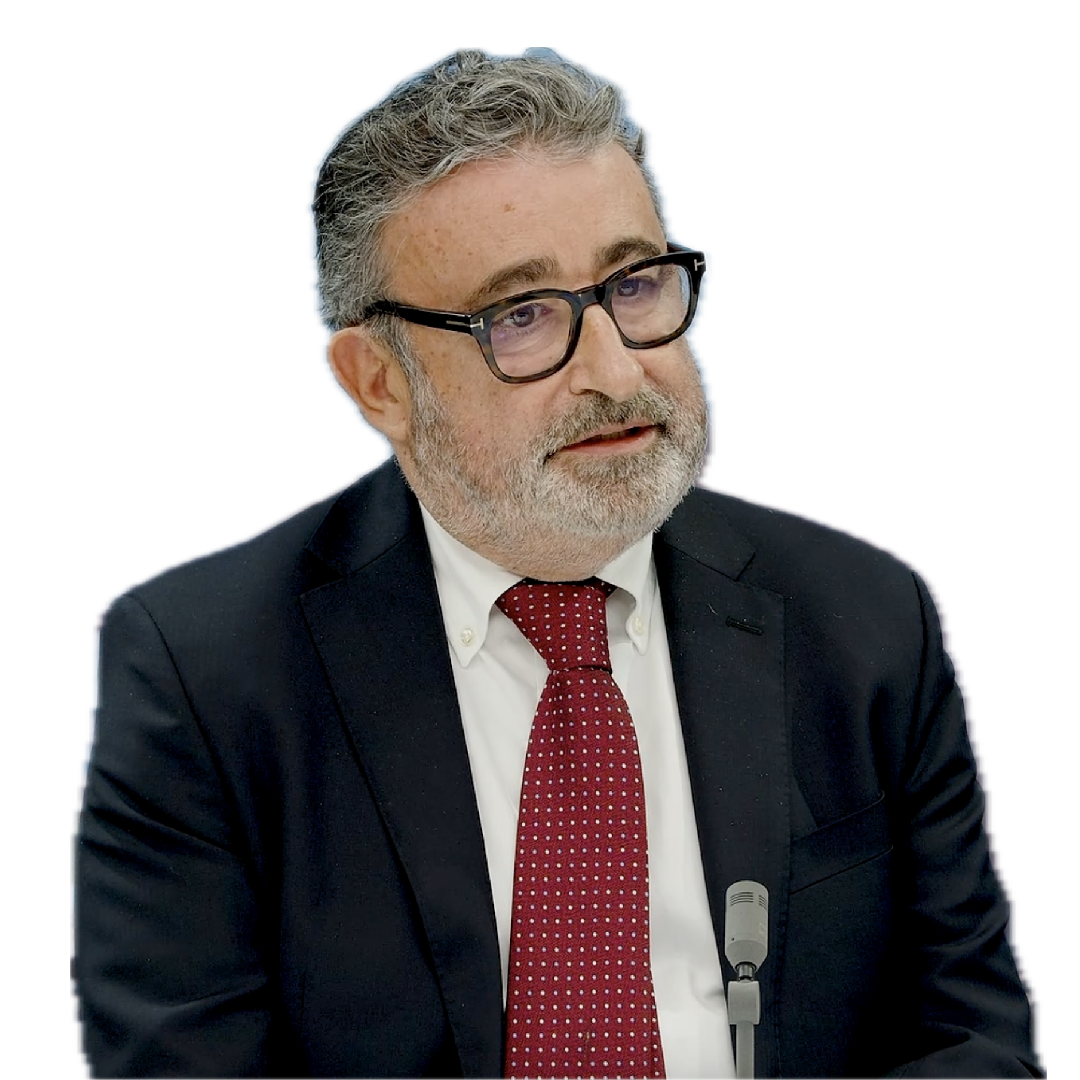
Luigi Narbone
Director, Mediterranean Platform & Professor of Practice, Luiss Guido Carli University
...


RELATED CONTENT

  • May 5, 2026
    Gaspillage de l’eau et son mésusage : deux facteurs du stress hydriqueCe Policy Brief est consacré aux phénomènes de gaspillage et de mésusage de l’eau: deux impératifs de la lutte contre le stress hydrique, rappelés, avec insistance, par   Sa Majesté le Roi Mohammed VI dans son discours du 29 juillet 2024, à l’occasion de la célébration du 25ème anniversaire de son accession au Trône. La première partie de l’étude aborde la problématique générale du gaspillage e ...
  • April 30, 2026
    يشهد المغرب تحولًا سريعًا في صناعة السيارات الكهربائية، مدفوعًا باستثمارات كبيرة وطموح للانتقال من مجرد منصة تركيب إلى فاعل صناعي متكامل. وبين فرص بناء صناعة بطاريات محلية وخلق وظائف جديدة، تبرز أيضًا تحديات مرتبطة بنقل التكنولوجيا، والتشغيل، والاستدامة. في هذه الحلقة، نفكك هذا التحول و...
  • April 30, 2026
    This Africafé episode features Patience Chiradza from the African Union, discussing the critical role of African women in governance and peacebuilding.  It highlights existing frameworks like the Maputo Protocol and acknowledges progress, while emphasizing persistent barriers such ...
  • April 29, 2026
    Cet épisode analyse les dynamiques du nexus croissance–pauvreté–inégalités monétaires au Maroc, en mettant en perspective la baisse significative de la pauvreté observée ces dernières années. Il interroge le rôle respectif de la croissance économique et des politiques publiques dans cet...
  • April 29, 2026
    Cet oped a été publié initialement dans la revue afkar/ideas 77 (IEMed).  La politique étrangère du Maroc traverse une transition structurelle, sous l’effet de la polycrise mondiale, de la diversification de ses partenariats et de l’affirmation de nouveaux choix stratégiques. La centralité accordée aux notions de « hub », de « plateforme »ou de « corridor » traduit un glissement sémantique et fonctionnel dans le narratif national, accordant une priorité majeure aux considé ...
  • April 29, 2026
    Cet épisode revient sur la politique monétaire au Maroc, en soulignant sa capacité à maintenir une inflation faible et stable sur le long terme grâce à un cadre macroéconomique solide. Il met en avant le rôle central des réformes institutionnelles et de la Banque centrale dans le renfor...
  • April 29, 2026
    Cet épisode revient sur l’évolution des politiques de soutien au secteur privé au Maroc, depuis les réformes de libéralisation post-ajustement structurel jusqu’aux stratégies industrielles plus ciblées. Il met en lumière les avancées et limites des dispositifs horizontaux en matière de ...
  • April 29, 2026
    Cet épisode explore le parcours industriel du Maroc depuis l’indépendance, en retraçant le passage des industries textiles traditionnelles vers des secteurs à forte valeur ajoutée tels que l’automobile, l’aéronautique et l’électronique. Il examine comment ces transformations redéfinisse...