
Africafé: Le trafic des médicaments falsifiés en Afrique

August 15, 2024

Selon l'Organisation mondiale de la santé (OMS), environ 42% des médicaments vendus en Afrique sont falsifiés. Ces produits, souvent sous-dosés, mal étiquetés, voire totalement inefficaces, peuvent entraîner des échecs thérapeutiques, des résistances aux traitements, voire des décès, notamment dans la lutte contre des maladies telles que la malaria, la tuberculose et le VIH. Plusieurs facteurs contribuent à la propagation de ces médicaments falsifiés : les faiblesses des systèmes de santé incitent les patients à se tourner vers des sources non officielles, le manque de régulation et de surveillance due à des ressources et une expertise limitées, ainsi que la corruption au sein des systèmes de santé facilitent l'introduction et la distribution de ces produits contrefaits. Les répercussions économiques et sociales sont profondes : les patients dépensent leurs maigres ressources pour des médicaments inefficaces, tandis que les systèmes de santé doivent gérer les complications résultantes, sapant ainsi la confiance dans les autorités publiques.

Pour approfondir ce fléau, nous avons l'honneur d’inviter M. Kabiné Komara, ancien Premier ministre de Guinée et expert en développement économique et politiques de santé publique. Il partage avec nous ses perspectives sur les défis posés par le trafic de médicaments falsifiés en Afrique et les solutions envisageables pour y faire face dans les années à venir.
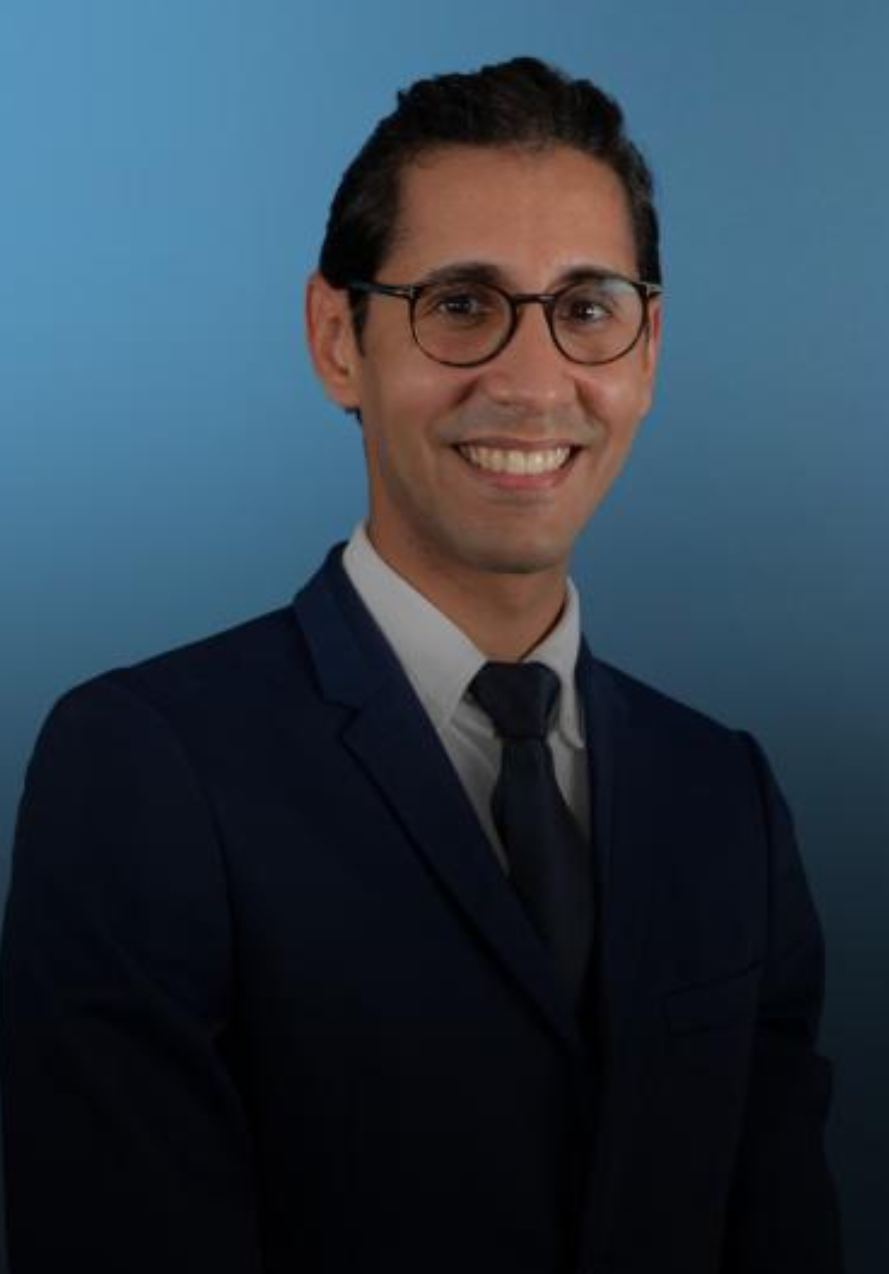
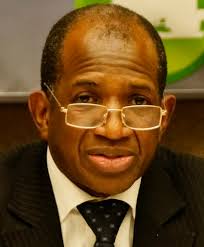
Speakers
Ahmed Ouhnini
Economist, Policy Center for the New South
Ahmed Ouhnini is an Economist at the Policy Center for the New South. His research area covers agricultural economics, human and social development. Previously, he has worked as a researcher at the Paris School of Economics (PSE) and has also a record of working in consulting services in Morocco. Ahmed holds an engineering Diploma in Agriculture and Rural Development from the National School of Agriculture of Meknes and a Master’s Degree in Law, Economics and Management from the Paris 1 Pantheon Sorbonne Institute of Development. ...

RELATED CONTENT

  • Authors
    January 23, 2026
    Introduction: COP30 as a Test of Reality, Not AmbitionCOP30 in Belém was never going to be a breakthrough. In a world marked by fiscal exhaustion, geopolitical rivalry, and eroding trust in multilateralism, expecting transformational climate cooperation bordered on denial. The choice of the Amazon as host carried symbolic weight, but symbolism does not override power, interests, or institutional capacity.The outcome of COP30 confirms a deeper truth: the global climate regime has ent ...
  • January 23, 2026
    The post-1945 international order, an architecture born of war-weariness and colonial twilight, is now a majestic but empty shell. Its foundational promise—a universal system of rules administered impartially—has been hollowed out by decades of selective enforcement, instrumentalized law, and a chasm between the rhetorical ideals of its custodians and their geopolitical practice. This is not a temporary dysfunction, but a systemic failure of legitimacy. From the invasion of Iraq und ...
  • Authors
    January 13, 2026
    This paper examines the nexus between governance structures, digital transformation, sustainability, and port service efficiency through an international comparative lens, with a specific focus on the Tanger Med–Algeciras corridor in the strait of Gibraltar. Using global best practices—from Singapore to Busan and Kaohsiung—it explores how public-private coordination, digital innovation, and green transition policies contribute to port competitiveness and integration into global supp ...
  • January 8, 2026
    Dans cet épisode d’Africafé, nous abordons la désinformation électorale et ses effets sur l’intégrité des processus démocratiques, la confiance du public et l’acceptation des résultats. À travers les interventions du Professeur Mohammed Benabid et de M. Fethi Debbabi, l’épisode analyse ...
  • January 6, 2026
    La création de l’Alliance des États du Sahel (AES) symbolise une rupture politique et géostratégique majeure, appuyée sur un discours souverainiste et anti-occidental. Deux ans après, Mali, Burkina Faso et Niger peinent à assurer leur intégrité territoriale, à stabiliser leur sécurité intérieure et à bâtir une gouvernance solide. L’intégrité territoriale est un problème commun aux trois États, car dans ces pays, la cohésion de l’État et le contrôle du territoire sont directement men ...
  • January 5, 2026
    This Paper was originally published on sciencedirect.com This study provides an original and significant contribution to evaluating educational service quality in Morocco by leveraging, for the first time, microdata from the Service Delivery Indicators (SDI) survey. The survey covers a nationally representative sample of 300 public and private primary schools across rural and urban areas. The use of SDI data represents a major methodological advancement, shifting away from perc ...
  • January 2, 2026
    Ce Policy Paper analyse les enjeux politiques, économiques et opérationnels du Fonds pour les pertes et dommages, créé pour répondre aux impacts climatiques irréversibles subis par les pays les plus vulnérables. Il clarifie d’abord la notion de pertes et dommages, qui mêle effets économiques et non économiques, et souligne les défis d’attribution liés à la superposition entre chocs climatiques et fragilités structurelles. L’analyse met ensuite en lumière les tensions d’économie poli ...
  • Authors
    Niccola Milnes
    December 30, 2025
    Fuel access has become a strategic pressure point across Mali and its neighbors. In 2025, Jama’t Nusrat al Islam wal- Muslimeen (JNIM) shifted from sporadic interdictions to a deliberate fuel-blockade strategy intended to pressure Bamako without holding territory. By selectively constraining movement along the Sikasso–Kayes–Bamako corridor, the group turned fuel scarcity into a tool of coercion, governance, and narrative control—shaping behavior in the capital while remaining largel ...