
Les Mardis du PCNS 19/01/2021 : إفريقيا في خضم الانتخابات الرئاسية

January 19, 2021

عرفت القارة الإفريقية تنظيم عدد من الانتخابات الرئاسية خلال السنة الفارطة كما تم تأجيل عدد منها كذلك لهاته السنة، ويأتي ذلك وسط تداعيات جائحة كورونا التي ضربت معظم الدول الأفريقية. من بين مراحل العملية الانتخابية، هناك مرحلة أساسية وهي تعبئة الموارد. واجهت الدول الأفريقية دائمًا صعوبات في تعبئة الموارد لإجراء الانتخابات في الظروف المثلى. وبسبب جائحة كوفيد19، تمت إعادة تأهيل معظم ميزانيات الدول الأفريقية من خلال قوانين المالية التصحيحية أو من خلال تمكين القوانين التي تمنح صلاحيات كاملة للسلطة التنفيذية في الخيارات والتوجهات التي سيتم تحديدها في مواجهة الوباء. من الواضح أن الانتخابات لن تكون في نفس المركب عندما يتعلق الأمر بالأولويات في التخطيط المالي. وبالتالي، فإن التحدي المتمثل في تعبئة الموارد لإجراء الانتخابات بحلول الموعد النهائي لا يزال يمثل تحديا هاما. لتسليط الضوء على المخاطر، تُجرى غالبية الانتخابات في إفريقيا في عامي 2020 و 2021 في البلدان التي تشهد صراعًا أو الخارجة من الصراع، ولا سيما بوركينا فاسو وبوروندي وجمهورية إفريقيا الوسطى وكوت ديفوار، إثيوبيا والنيجر والصومال. تواجه هذه البلدان أزمات ناجمة عن حركات التمرد المتطرفة المسلحة وتحديات بناء رؤى وطنية شاملة. لذلك، فإن الصلة الوثيقة بين الحكامة والأمن في أفريقيا ستكون أكثر وضوحا في هذا السياق. فكيف يتم ضمان الترابط بين الانتخابات والأمن والتنمية؟ ما هي العوامل التي تخاطر بتقويض العملية الانتخابية في أفريقيا؟ وكيف تشكل المخاطر الأمنية تهديدا لإجراء العملية الانتخابية؟ ثم هل إجراء الانتخابات في مثل هذا السياق من الأزمات (الصحة والأمن) يساعد في تخفيف التوترات السياسية والاجتماعية والأمنية أم أنه يغذيها ؟ ما هو تأثير تأجيل الانتخابات على الاستقرار في المنطقة ؟ هل يمكن أن تحل الانتخابات القادمة المشكلة أم أنها تتطلب عملية سياسية لا تقوم فقط على الانتخابات ولكن على المصالحة الوطنية أو الوساطة من قبل الاتحاد الأفريقي أو الأمم المتحدة؟ يمثل وباء كوفيد 19 تحديًا إضافيًا للعمليات الانتخابية في إفريقيا. هناك مخاوف في بعض البلدان من إجراء الانتخابات، بينما من الضروري في نفس الوقت ضمان سلامة المواطنين. مع التهديد المنتشر لوباء كوفيد 19 ، هل سيستمر المجتمع المدني والسكان ككل في حشد جهودهم على الرغم من التهديد الصحي؟ ماذا عن المشاركة السياسية لفئة الشباب والنساء في الانتخابات الإفريقية؟ هل أثر الوضع الصحي على مشاركتهم؟ هل تشير الأرقام إلى بزوغ وجه جديد أكثر إدماجا للقارة الإفريقية؟ ثم ماذا عن مواجهة النزاع المسلح والجهود الواضحة بشكل متزايد من قبل الجهات الخارجية ووقعها على الانتخابات في إفريقيا؟ ما هو دور الأجهزة الأمنية وقادة المجتمع المنتخبين والمؤسسات المشاركة في إجراء الانتخابات في التعامل مع العنف الانتخابي؟ انطلقت الحملات الرئاسية في معظم الدول الأفريقية فيما منعت بعض الدول التجمعات ليتجه مسؤولو الحملات الرئاسية والأحزاب الأفريقية الى وسائل الأعلام والتواصل الاجتماعي للتواصل مع الناخبين وتوصيل صوتهم عبر المنصات المختلفة وفقا لتداعيات الوباء. مع اتصال القارة بالإنترنت، يزداد خطر التلاعب الرقمي، بشكل أساسي من خلال وسائل التواصل الاجتماعي. كيف يمكننا التعامل مع هذا التهديد الذي يبدو أكثر خطورة لأنه غالبًا ما يمر دون التدقيق في تداعياته، خاصة الأخبار المزيفة؟ المسيرة: إيمان لهريش، مسؤولة عن البرامج بمركز السياسات من أجل الجنوب الجديد المتدخلون: خالد الشكراوي، باحث بارز بمركز السياسات من أجل الجنوب الجديد عبد الحق باسو، باحث بارز بمركز السياسات من أجل الجنوب الجديد
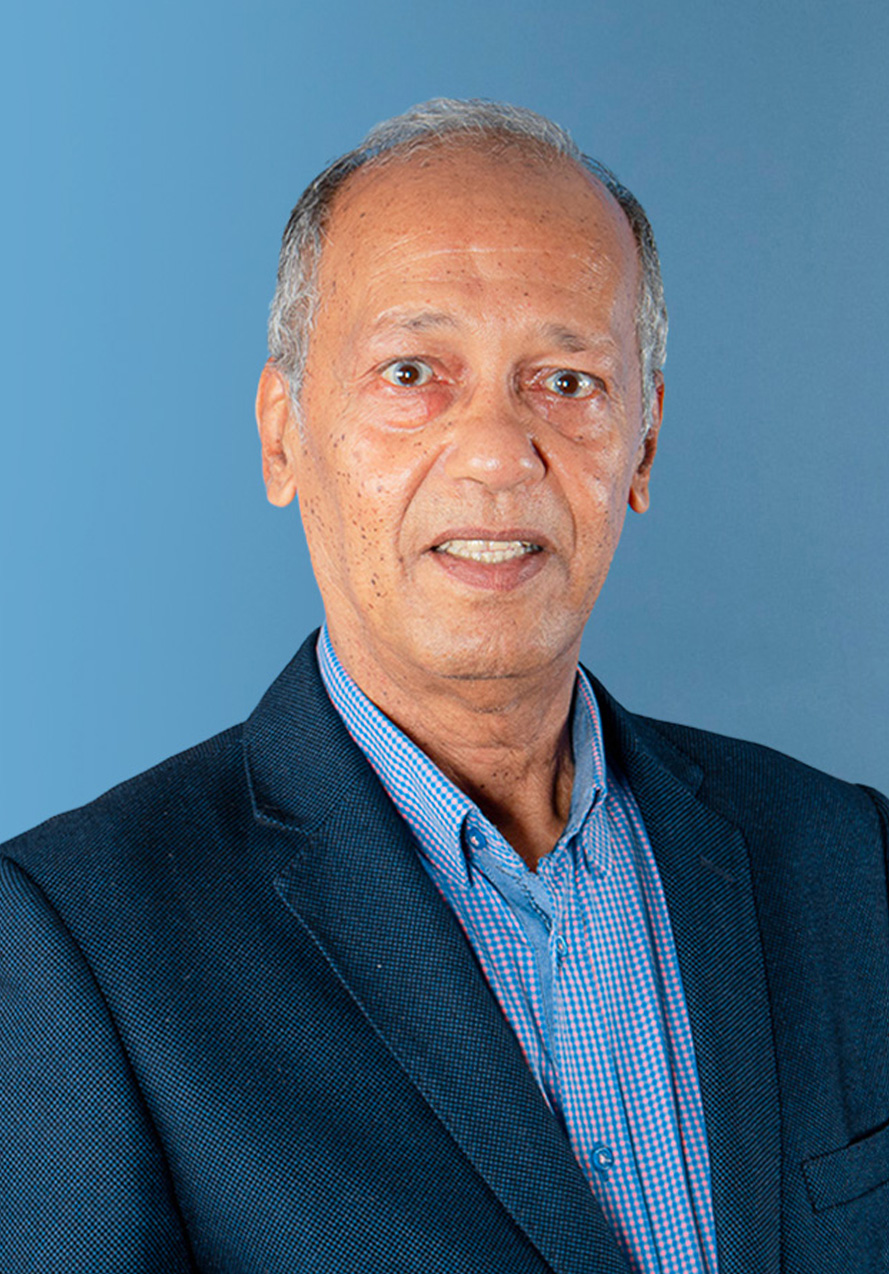
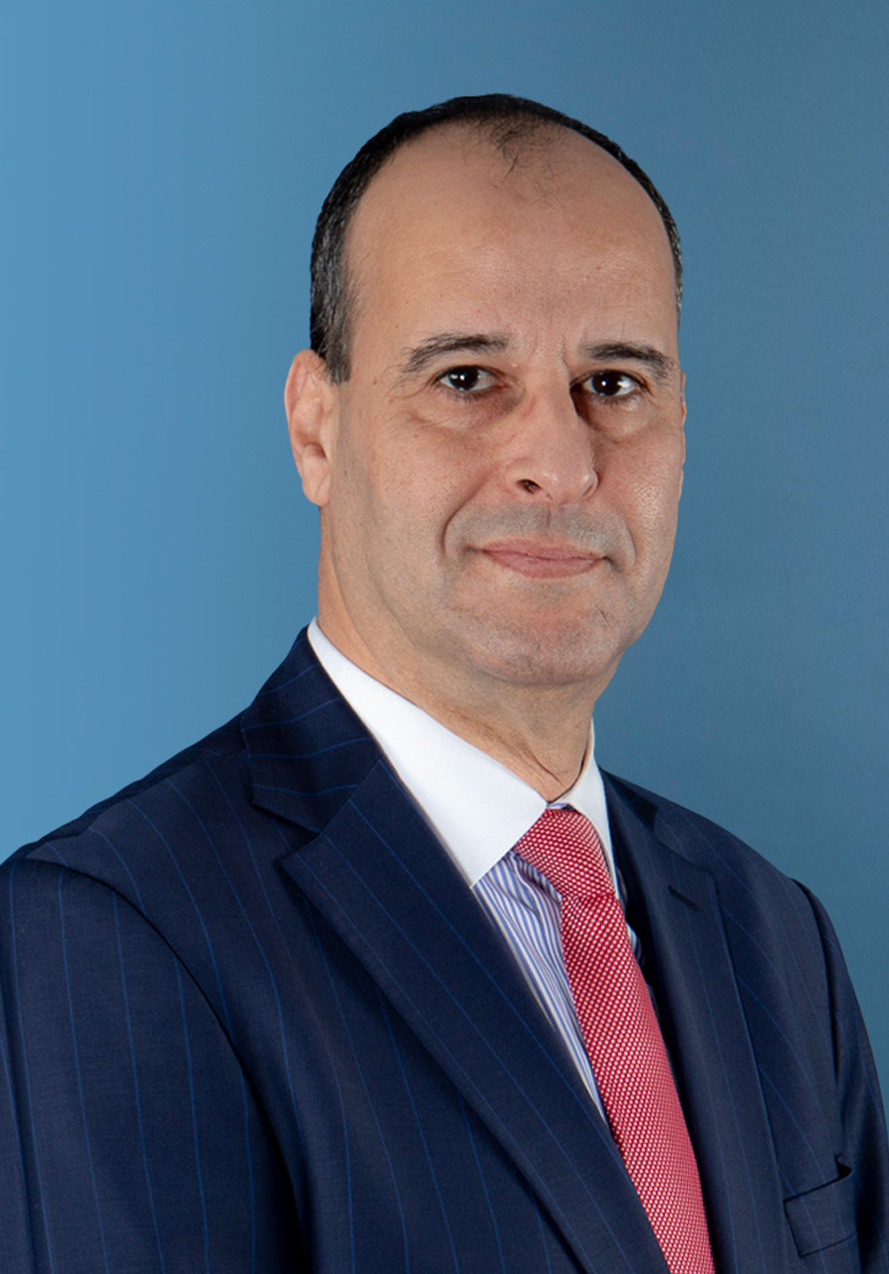
Speakers
Abdelhak Bassou
Senior Fellow
Abdelhak Bassou is a Senior Fellow at the Policy Center for the New South and a non-resident senior fellow at the Atlantic Council’s Africa Center. He is also an Affiliate Professor at Mohammed VI Polytechnic University. Bassou has had an extensive career in Moroccan National Security, where he served in various capacities including as head of the border division from 1978 to 1993. He was the former director of the Royal Institute of Police in 1998 and served as Head of Regional Security (Errachidia 1999-2003, Sidi Kacem 2003-2005) and as Central Director of General Intelligence from 2006 to 2009.   He holds a master's degree in political science and international studies from the Faculty of Law, Economics, and Social Sciences in Rabat. His academic research delves into ...
Khalid Chegraoui
Senior Fellow
Khalid Chegraoui is Senior Fellow at the Policy Center for the New South and Vice Dean of Political Sciences and International Relations at the Faculty of Governance, Economic and Social Sciences of the Mohammed VI University.  He began his teaching and research career in 1992 as a Research Assistant Professor at Sidi Mohammed Ben Abdallah University in Fez after earning his first doctorate in African Studies from the Mohammed V University in Rabat focusing on West Sub-Saharan Africa. He also earned a Doctorate of State in African Studies from the same University in 2002, where he focused on Contemporary West Africa, in 2003 he became Professor of History and Political Anthropology at the Institute of African Studies, Mohammed V University, consultant on African and Midd ...
Imane Lahrich
Head – Research Valorization
Imane Lahrich is the Head of Research Valorization Department, having previously served as a Partnerships & Research Support Officer at the Policy Center for the New South since 2019. She mainly worked on security-development related projects. She has experience as a Project Manager in a Strategic Intelligence firm (2017-2019) and as a research consultant in the MENA region, focusing on international development and the Rule of Law. Imane Lahrich holds a Master's in Political Studies and a Bachelor's in Political Science from Mohammed V University of Rabat. She also participated in a one-year exchange program at Masaryk University in the Czech Republic under the EMMAG MUNDUS Excellence scholarship.     ...

RELATED CONTENT

  • January 6, 2026
    La création de l’Alliance des États du Sahel (AES) symbolise une rupture politique et géostratégique majeure, appuyée sur un discours souverainiste et anti-occidental. Deux ans après, Mali, Burkina Faso et Niger peinent à assurer leur intégrité territoriale, à stabiliser leur sécurité intérieure et à bâtir une gouvernance solide. L’intégrité territoriale est un problème commun aux trois États, car dans ces pays, la cohésion de l’État et le contrôle du territoire sont directement men ...
  • January 5, 2026
    This Paper was originally published on sciencedirect.com This study provides an original and significant contribution to evaluating educational service quality in Morocco by leveraging, for the first time, microdata from the Service Delivery Indicators (SDI) survey. The survey covers a nationally representative sample of 300 public and private primary schools across rural and urban areas. The use of SDI data represents a major methodological advancement, shifting away from perc ...
  • January 2, 2026
    Ce Policy Paper analyse les enjeux politiques, économiques et opérationnels du Fonds pour les pertes et dommages, créé pour répondre aux impacts climatiques irréversibles subis par les pays les plus vulnérables. Il clarifie d’abord la notion de pertes et dommages, qui mêle effets économiques et non économiques, et souligne les défis d’attribution liés à la superposition entre chocs climatiques et fragilités structurelles. L’analyse met ensuite en lumière les tensions d’économie poli ...
  • Authors
    Niccola Milnes
    December 30, 2025
    Fuel access has become a strategic pressure point across Mali and its neighbors. In 2025, Jama’t Nusrat al Islam wal- Muslimeen (JNIM) shifted from sporadic interdictions to a deliberate fuel-blockade strategy intended to pressure Bamako without holding territory. By selectively constraining movement along the Sikasso–Kayes–Bamako corridor, the group turned fuel scarcity into a tool of coercion, governance, and narrative control—shaping behavior in the capital while remaining largel ...
  • Authors
    Chaïma Jabbar
    December 23, 2025
    The member countries of the Alliance of Sahel States, Mali, Burkina Faso, and Niger, remain dependent on a limited number of maritime access corridors, a configuration that constrains their adjustment capacity in the event of disruption and heightens the vulnerability of their supply chains. The Jama’at Nusrat al-Islam wa al-Muslimin (JNIM) blockade of the Kayes-Nioro area revealed how critical the Dakar-Bamako corridor is for the political and economic stability of Mali. Its interr ...
  • Authors
    Chaïma Jabbar
    December 23, 2025
    Les pays membres de l’Alliance des États du Sahel (le Mali, le Burkina Faso et le Niger) demeurent dépendants d’un nombre restreint de corridors d’accès à la mer, une configuration qui limite leur capacité d’ajustement en cas de perturbation et accroît la sensibilité de leurs chaînes d’approvisionnement. Le blocus du tronçon Kayes-Nioro a illustré la forte criticité du corridor Dakar-Bamako : l’interruption d’un segment unique a entraîné une contraction rapide des flux, révélant la ...
  • December 22, 2025
    This paper presents the theoretical specification and current developments of a Spatial (Interprovincial) Computable General Equilibrium (SCGE) model for Morocco. The model is formulated as a Johansen-type CGE system, solved in linearized form, and is designed to analyze the regional and national impacts of policy shocks within an integrated interregional economic framework. The Moroccan economy is disaggregated into 72 provinces, 20 production sectors, multiple institutional agents ...
  • Authors
    Corinne Dufka
    Niccola Milnes
    December 8, 2025
    Although the crises affecting the Sahel have been widely analysed through the lenses of armed groups, state fragility and geopolitics, much less is known about how women experience insurgent governance in their everyday lives. This is particularly pertinent to members of the pastoralist Peuhl ethnic group, which has been strategically targeted for recruitment by the Central Sahel’s dominant Islamist armed group, Jama’at Nusrat al-Islam wal-Muslimin (JNIM), as a means of facilitating ...