
حديث الثلاثاء - اليمين المتطرف: أيديولوجية عابرة أم تحول سياسي دائم؟

September 17, 2024

في السنوات الأخيرة، شهدت الساحة السياسية الأوروبية والعالمية تصاعدًا ملحوظًا في نفوذ ما يُسمى بـ "اليمين المتطرف"، مما أدى إلى بروز أسئلة ملحة حول طبيعة هذا التيار وأسبابه وتداعياته. هل نحن أمام أيديولوجية راسخة أم مجرد رد فعل عابر تجاه التغيرات الاقتصادية والاجتماعية؟ وما مدى ارتباط هذه الحركات باليمين التقليدي؟ أم أنها تمثل ظاهرة منفصلة تمامًا؟ بالإضافة إلى ذلك، يُثار التساؤل حول ما إذا كانت هذه الظاهرة محصورة في أوروبا أم تمتد لتشمل مناطق أخرى من العالم

Speakers
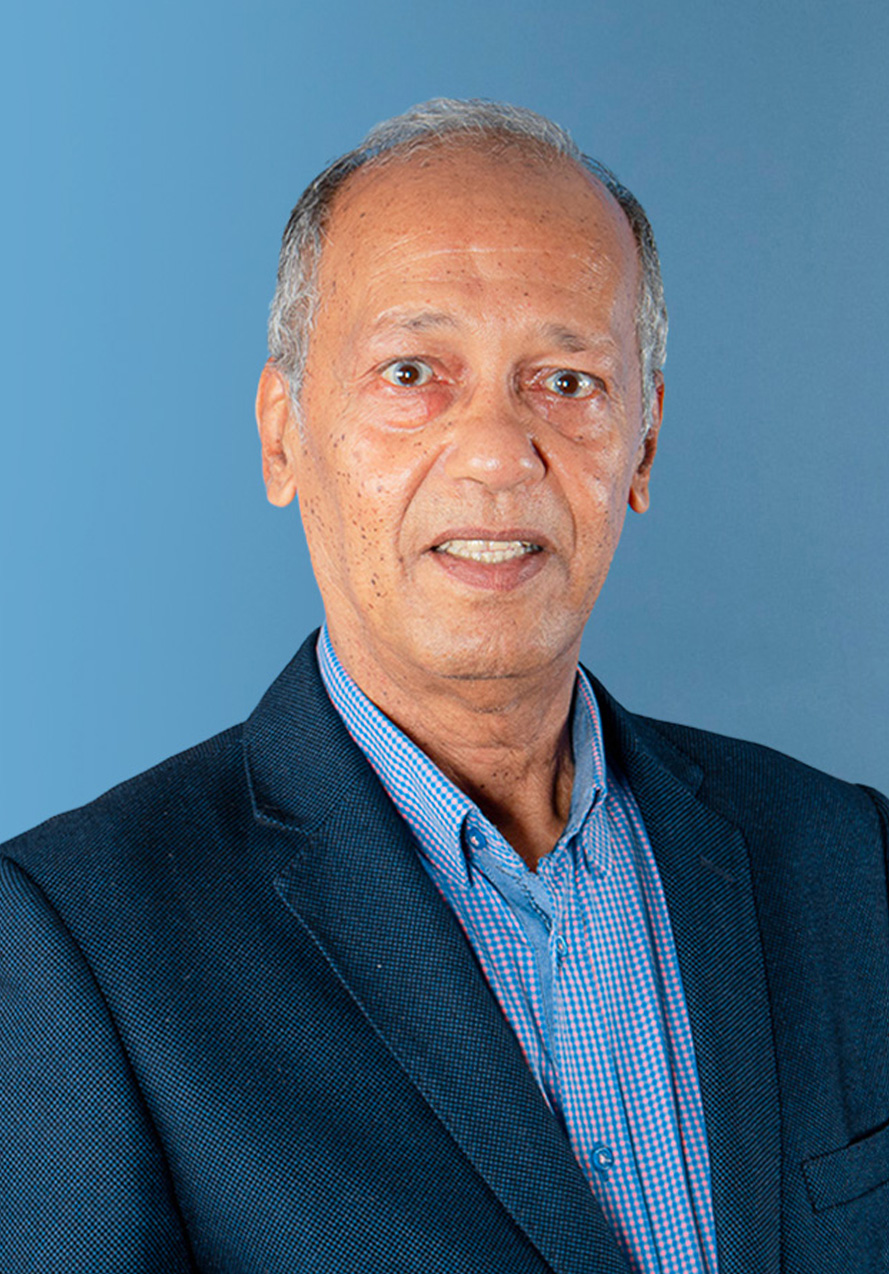
Abdelhak Bassou
Senior Fellow
Abdelhak Bassou is a Senior Fellow at the Policy Center for the New South and a non-resident senior fellow at the Atlantic Council’s Africa Center. He is also an Affiliate Professor at Mohammed VI Polytechnic University. Bassou has had an extensive career in Moroccan National Security, where he served in various capacities including as head of the border division from 1978 to 1993. He was the former director of the Royal Institute of Police in 1998 and served as Head of Regional Security (Errachidia 1999-2003, Sidi Kacem 2003-2005) and as Central Director of General Intelligence from 2006 to 2009.   He holds a master's degree in political science and international studies from the Faculty of Law, Economics, and Social Sciences in Rabat. His academic research delves into ...
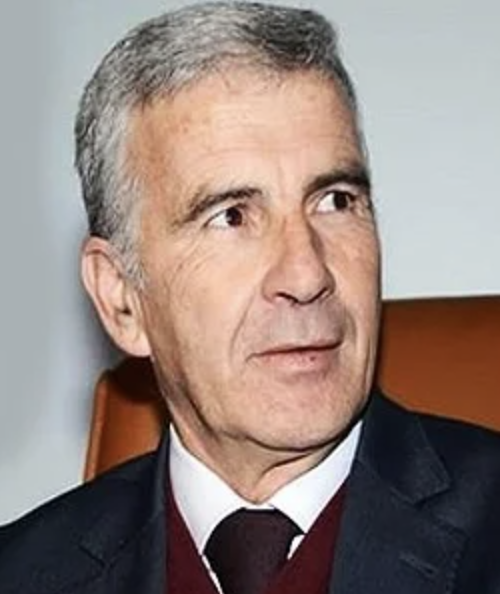
Hassan Boukantar
Professeur de Relations Internationales à l'Université Mohammed V de Rabat
...

RELATED CONTENT

  • Authors
    July 14, 2026
    Avec la capitale Pékin comme acteur principal de la politique étrangère chinoise, l’engagement de la Chine en Afrique ne peut plus être appréhendé à travers le seul prisme de l’État central. Suite aux réformes de décentralisation engagées en 1978, les gouvernements provinciaux de l’Empire du Milieu jouent un rôle de plus en plus visible et structurant, en s’affirmant en tant qu’acteurs à part entière de la coopération internationale. Ils interviennent, entre autres domaines, dans le ...
  • July 10, 2026
    For much of the post-war period, the Global South was framed as an object of history, defined by dependency, constrained by structural asymmetries, and confined to the margins of global decision-making. That narrative, once empirically grounded, is now no longer adequate. A profound yet uneven transformation is underway. The Global South is no longer only reacting; it is increasingly shaping rules, institutions, and narratives.This Policy Brief argues that the Global South is thus t ...
  • Authors
    July 9, 2026
    Cet essai analyse la guerre Iran–États-Unis–Israël de 2026 comme un révélateur de la transformation profonde de l’ordre international. À travers le prisme du droit de la mer, du détroit d’Ormuz, des alliances fragmentées, des câbles sous-marins et des flux énergétiques, il montre que le pouvoir mondial se déplace progressivement du contrôle des territoires vers la maîtrise des infrastructures de circulation. Loin de disparaître, la mondialisation entre dans une phase de connectivité ...
  • Authors
    July 7, 2026
    The Green March is one of those seminal moments that have never ceased to influence the course of political events in Morocco, because of its long-term significance from the outset, the context in which it unfolded, the logic of interactions in which it was embedded through its causes and effects, and as one of the striking figures in the national narrative. ...
  • July 7, 2026
    For a long time, security in the Sahel relied on Western military deployments, which failed to curb the jihadist threat, thereby demonstrating the limitations of a cooperation model based on logistical and doctrinal dependence on foreign partners. The three Sahelian states have decided to break away from this system and build“integrated security sovereignty.” This approach has taken hold against a backdrop of openness to new partners. Russia has thus established itself as the main m ...
  • Authors
    July 6, 2026
    We take the 2026 G7 Summit in Évian-les-Bains as a case study for understanding how a leading existing multilateral organisation adapts to a more fragmented, technologically inflected, and multipolar world. We argue that the significance of Évian lies less in the summit agreements themselves than in what the summit reveals: a qualitative shift in governance away from exclusive summit diplomacy and towards more selective coalition-building, broader engagement with non-state actors, a ...
  • July 3, 2026
    This episode explores Russia’s growing influence in Africa through media, information warfare, and anti-Western narratives. It examines how Moscow uses historical ties, social media, local influencers, and security partnerships to shape perceptions, while questioning the real scope and ...
  • June 22, 2026
    What does it take for think tanks to stay trusted, relevant, and heard in a world that's increasingly sceptical of institutions? At the Policy Center for the New South we put that question to keynote speakers Erica Schoder and Héctor Cárdenas on the sidelines of the OTT Conference 2026 ...
  • June 22, 2026
    History devotes considerable attention to the rise and fall of great powers. Scholars have spent centuries analyzing why empires collapse, why nations decline, and why dominant states eventually lose their position. By comparison, relatively little attention has been devoted to a different question: what happens when a country succeeds beyond its own expectations? ...